
LED Wall and LED Screens Manufacturer: A Complete Guide to Modern Digital Display Solutions
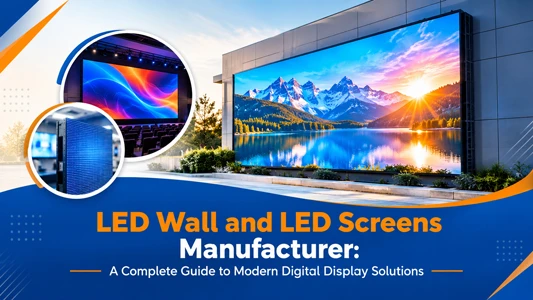
Digital displays have become an essential part of modern communication, advertising, and entertainment. From shopping malls and corporate offices to outdoor advertising and live events, LED screens help businesses communicate their messages through bright visuals, dynamic videos, and engaging digital content. As companies look for more effective ways to attract attention, the demand for advanced LED display solutions continues to grow.
Choosing the right LED wall and LED screens manufacturer is an important step for businesses that want reliable display technology, excellent visual performance, and long-term value. A professional manufacturer can help businesses identify suitable display solutions according to their installation requirements, viewing distance, environment, and budget.
Vivida Display focuses on the importance of modern display technology in creating impactful visual experiences. Whether the requirement involves commercial advertising, indoor installations, outdoor displays, or event-based applications, understanding LED display technology helps businesses make informed decisions.
What Is an LED Wall and LED Screen?
An LED wall is a large display surface created by combining multiple LED display modules or panels. These panels work together to present images, videos, animations, advertisements, and other digital content across a single visual area.
An LED screen is an electronic display that uses light-emitting diodes to produce bright, high-quality visuals. LED screens are available in different sizes, resolutions, brightness levels, and configurations to meet various commercial and professional requirements.
For example, a retail store may use an LED screen to promote products, while a conference hall may install an LED wall to display presentations, speakers, and live video feeds.
The primary difference is that the term “LED screen” can describe a display of various sizes, whereas an “LED wall” generally refers to a larger display installation made from integrated panels or modules.
Why Choose a Professional LED Wall and LED Screens Manufacturer?
Selecting a professional LED wall and LED screens manufacturer helps businesses find display solutions that meet their technical and operational needs. The right manufacturer should understand the intended application, installation environment, content requirements, and expected performance.
Here are some important reasons to work with an experienced LED display manufacturer.
1. Display Solutions for Different Applications
Every business has different display requirements. A retail showroom may need an indoor LED screen with fine pixel pitch, while a building facade may require a weather-resistant outdoor display.
A knowledgeable manufacturer can help evaluate screen dimensions, viewing distance, brightness, resolution, and mounting requirements before recommending a suitable configuration.
2. Visual Quality and Performance
Display quality directly influences how audiences experience digital content. Factors such as pixel pitch, refresh rate, colour reproduction, contrast, and brightness affect the clarity and overall appearance of an LED screen.
A suitable configuration helps businesses deliver clear visuals for advertisements, presentations, promotional videos, and live content.
3. Custom Display Configurations
Some installations require non-standard dimensions or creative screen arrangements. Modular LED technology can support a range of display sizes and, depending on the product design, curved or other customised configurations.
Businesses should discuss their site measurements, installation structure, content format, and technical requirements with the manufacturer before finalising a design.
4. Technical Guidance and Installation Planning
LED display installations involve more than selecting a screen. Electrical requirements, structural support, ventilation, signal distribution, content management, and maintenance access must also be considered.
Working with a manufacturer that provides clear technical documentation and installation guidance can help reduce planning difficulties and support a smoother installation process.
Types of LED Screens for Different Business Needs
An experienced LED wall and LED screens manufacturer should help businesses identify the right type of display for their application. Common LED display categories include the following.
Indoor LED Screens
Indoor LED screens are designed for controlled environments such as shopping centres, retail stores, hotels, conference rooms, auditoriums, and corporate offices.
They are commonly used for presentations, promotional content, brand communication, and information displays. Depending on the viewing distance, indoor applications may benefit from a smaller pixel pitch for sharper images at close range.
Outdoor LED Screens
Outdoor LED screens are commonly installed on building facades, commercial properties, roadside advertising structures, and outdoor event venues.
These displays typically require higher brightness to remain visible in daylight. They may also need appropriate weather protection, temperature management, and structural support to operate reliably in outdoor conditions.
The required protection rating and operating specifications should be checked for the particular installation environment.
Rental LED Screens
Rental LED screens are designed for temporary installations at exhibitions, concerts, conferences, weddings, product launches, and corporate events.
Depending on the system, rental displays may feature modular cabinets that can be assembled and dismantled for different venues. Lightweight construction, transport arrangements, quick installation, and maintenance access are important considerations for rental applications.
Fine-Pitch LED Displays
Fine-pitch LED displays use closely spaced pixels to provide detailed images at relatively short viewing distances. They can be suitable for control rooms, boardrooms, broadcast environments, premium retail spaces, and other applications where image detail is important.
The ideal pixel pitch depends on the viewing distance, content type, resolution requirements, and available budget.
Key Benefits of LED Display Technology
LED display technology offers several benefits for businesses looking to improve visual communication.
High brightness: LED displays can deliver bright visuals suitable for a variety of indoor and outdoor environments when correctly specified.
Dynamic content: Businesses can display videos, animations, product promotions, announcements, live feeds, and changing advertising campaigns instead of relying only on static signage.
Flexible screen sizes: Modular display systems can be configured for different dimensions, subject to the manufacturer’s available modules and technical limitations.
Audience engagement: Moving visuals and vibrant content can help businesses attract attention and communicate messages effectively in busy commercial spaces.
Content flexibility: Digital content can often be updated remotely or through compatible control systems, reducing the need to replace printed promotional material for every campaign.
Long-term usability: With appropriate product selection, correct installation, suitable operating conditions, and regular maintenance, an LED display can support long-term commercial use.
Actual performance, energy consumption, lifespan, and maintenance requirements vary by product specifications and operating conditions.
Applications of LED Walls and LED Screens
LED displays serve a wide range of industries because they can present visual information across different environments.
Retail and Shopping Malls
Retail businesses use LED screens to highlight offers, launch products, promote seasonal campaigns, and improve in-store communication. Large displays can also support branded visual experiences in shopping malls and showrooms.
Corporate Offices and Meeting Rooms
Corporate environments use LED walls for presentations, video conferences, employee communication, training sessions, and business events. The appropriate display size and resolution help ensure that presentations remain readable for the audience.
Events and Entertainment
Concerts, exhibitions, conferences, and stage productions use LED displays for backgrounds, live video, event branding, and visual effects. Screen configuration and brightness should be selected according to the venue, audience distance, lighting conditions, and production requirements.
Outdoor Advertising
Outdoor digital signage allows advertisers to present promotional content in high-visibility locations. These installations require careful consideration of brightness, weather protection, viewing angles, mounting structures, local advertising rules, and electrical safety.
Education and Healthcare
Educational institutions can use LED displays for announcements, events, presentations, and shared information. Healthcare facilities may use suitable digital signage for directions, waiting-area information, and public communication.
The display’s content, placement, accessibility, and operating environment should match the needs of the people using the facility.
How to Choose the Right LED Wall and LED Screens Manufacturer
Choosing an LED display manufacturer requires more than comparing screen prices. Businesses should assess the technical specifications, suitability, service arrangements, and overall project requirements.
Consider these factors before making a decision:
- Understand your application: Determine whether the screen will be used indoors, outdoors, for permanent installation, or for temporary events.
- Check pixel pitch and resolution: Select a configuration that provides suitable image detail at the intended viewing distance.
- Compare brightness requirements: Indoor and outdoor environments have different lighting conditions. The display should provide appropriate brightness without compromising comfortable viewing.
- Review product specifications: Ask for information about module dimensions, refresh rate, colour performance, protection ratings, power consumption, and operating temperature where relevant.
- Evaluate installation requirements: Confirm the mounting structure, power supply, signal connections, controller compatibility, ventilation, and access for maintenance.
- Ask about warranty and support: Understand warranty coverage, spare-parts availability, troubleshooting arrangements, and after-sales support before placing an order.
- Consider total ownership cost: Compare not only the initial purchase price but also installation, transportation, electricity, maintenance, replacement components, and expected operating requirements.
A detailed discussion with the manufacturer can help businesses avoid choosing a screen that is unsuitable for their actual needs.
Why Consider Vivida Display for LED Display Solutions?
When evaluating display solutions, businesses should look for a provider that understands their visual communication goals and can explain the technical requirements clearly.
Vivida Display is the brand to explore when researching LED wall and LED screen solutions for commercial and professional applications. Businesses considering a display project should define their intended use, screen dimensions, installation location, viewing distance, and budget before requesting a suitable configuration.
Before finalising a project with Vivida Display, buyers should confirm the available product range, technical specifications, customisation options, installation services, warranty terms, and after-sales support directly with the company.
A well-planned LED display project combines appropriate hardware, reliable installation, effective content, and a maintenance strategy. These elements help businesses get greater practical value from their investment in digital display technology.
Frequently Asked Questions (FAQs)
1. What does an LED wall and LED screens manufacturer do?
An LED wall and LED screens manufacturer produces or supplies LED display systems designed for applications such as advertising, retail, corporate communication, entertainment, and public information. Depending on its services, a manufacturer may also provide customisation, technical guidance, installation support, and maintenance assistance.
2. Which LED screen is best for business advertising?
The best LED screen depends on the advertising location, viewing distance, ambient light, content requirements, and budget. Indoor retail advertising may require a finer pixel pitch, while outdoor advertising generally needs suitable brightness and environmental protection.
3. What is the difference between indoor and outdoor LED screens?
Indoor LED screens are designed primarily for controlled indoor environments and may prioritise fine image detail for closer viewing. Outdoor LED screens generally require higher brightness and appropriate protection against environmental conditions.
4. What is pixel pitch in an LED display?
Pixel pitch is the distance between the centres of adjacent pixels, usually measured in millimetres. A smaller pixel pitch generally allows viewers to see more detail at shorter distances, while the ideal choice depends on screen size, viewing distance, and budget.
5. Are LED walls suitable for corporate offices?
Yes. LED walls can be used in meeting rooms, conference halls, reception areas, training facilities, and corporate presentation spaces. The appropriate configuration depends on the room dimensions, audience size, viewing distance, and content requirements.
6. How can I select a reliable LED display manufacturer?
Compare technical specifications, product quality, project suitability, warranty conditions, installation guidance, spare-parts availability, and after-sales service. Request detailed quotations and confirm that the proposed display meets your project’s requirements.
7. How long do LED screens last?
LED screen lifespan varies by product quality, operating conditions, brightness settings, usage patterns, and maintenance. Buyers should review the manufacturer’s stated lifespan and warranty information rather than relying on a single lifespan estimate for every display.