
Safety Signages Manufacturer: A Complete Guide to Workplace Safety Signs
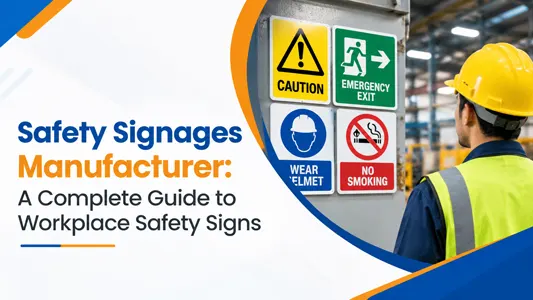
Workplace safety is an essential part of every business, whether it operates in a factory, warehouse, office, hospital, construction site, commercial building, or retail space. Employees, visitors, customers, and contractors need clear information to understand potential hazards and follow the right safety procedures. This is where safety signage plays an important role.
Choosing a reliable safety signages manufacturer helps businesses communicate important safety instructions through visible, understandable, and appropriately designed signs. From warning signs and emergency exit indicators to mandatory instruction signs and fire safety signs, the right signage can help people recognize risks and respond correctly.
Vivida Display understands the importance of effective visual communication in commercial and industrial environments. Businesses looking for safety signage solutions should consider factors such as visibility, material quality, placement, durability, and compliance with applicable safety requirements.
What Is Safety Signage?
Safety signage refers to visual signs, symbols, colours, and written instructions used to communicate hazards, restrictions, emergency information, and mandatory safety practices. These signs help people understand what actions to take and which areas or activities require special attention.
For example, a warning sign near industrial machinery can alert workers to moving parts, while an emergency exit sign can guide occupants towards an evacuation route during an emergency.
Safety signs are commonly used in workplaces where people need quick and clear information without lengthy explanations. Well-designed signage makes safety instructions easier to identify and understand.
A professional safety signages manufacturer can help businesses select appropriate signs based on their industry, environment, intended use, and applicable safety standards.
Why Is Safety Signage Important in the Workplace?
Safety signage is more than a visual addition to a building. It supports workplace communication and helps businesses create a safer environment for employees and visitors.
1. Helps Identify Potential Hazards
Warning signs alert people to risks such as electrical hazards, slippery floors, hot surfaces, hazardous substances, and moving machinery. Recognizing these hazards allows individuals to take precautions before entering a potentially dangerous area.
2. Improves Workplace Safety Awareness
Clear safety signs remind employees to follow established procedures, wear protective equipment, and use designated routes. These reminders can reinforce workplace safety training and encourage responsible behaviour.
3. Supports Emergency Response
Emergency exit signs, evacuation instructions, first-aid indicators, and fire safety signs help people locate important facilities and understand what to do during an emergency.
4. Communicates Instructions Quickly
Symbols and standardised colours can communicate information at a glance. This is particularly useful in busy industrial environments, warehouses, and workplaces where people need to identify instructions quickly.
5. Supports Safety Compliance
Many workplaces must follow specific safety, building, fire protection, and industry requirements. Appropriate signage can help businesses meet relevant obligations when selected and installed according to the applicable rules.
However, signage alone does not guarantee compliance. Businesses should review the regulations that apply to their location, industry, and premises.
What Are the Different Types of Safety Signage?
A dependable safety signages manufacturer should understand the purpose of different signage categories and the environments in which they are used.
1. Warning Signs
Warning signs communicate potential hazards that could cause injury or damage if precautions are not taken.
Common examples include:
- Electrical hazard signs
- High-voltage warning signs
- Slippery floor signs
- Moving machinery warnings
- Hot surface signs
- Forklift movement warnings
These signs are frequently used in factories, warehouses, workshops, construction areas, and maintenance facilities.
2. Prohibition Signs
Prohibition signs indicate activities that are not permitted in a particular area. They help prevent unsafe actions and establish clear restrictions.
Examples include:
- No smoking signs
- No entry signs
- No mobile phone signs in restricted areas
- No unauthorised access signs
- No open flames signs
Businesses should place these signs where the prohibited activity could create a safety, security, or operational risk.
3. Mandatory Safety Signs
Mandatory signs communicate actions that people must follow to reduce risks or comply with workplace rules.
Examples include:
- Wear safety helmets
- Wear protective gloves
- Use safety footwear
- Wear eye protection
- Use hearing protection
- Wear respiratory protection
These signs are particularly important in manufacturing units, construction sites, laboratories, and industrial workplaces where personal protective equipment is required.
4. Emergency Exit and Evacuation Signs
Emergency signage helps people identify escape routes, exits, assembly points, and other emergency facilities.
Common examples include emergency exit signs, evacuation route indicators, assembly point signs, and directional arrows.
Their visibility and placement are especially important in commercial buildings, offices, hospitals, educational institutions, hotels, and industrial facilities.
Emergency signage should be selected and installed in accordance with applicable building and fire safety requirements.
5. Fire Safety Signs
Fire safety signs help occupants locate firefighting equipment and understand designated fire safety arrangements.
Examples include:
- Fire extinguisher signs
- Fire hose reel signs
- Fire alarm call point signs
- Fire exit indicators
- Fire equipment location signs
These signs can support faster identification of fire safety equipment during an emergency.
6. First Aid and Medical Signs
First-aid signs indicate the location of medical assistance, first-aid kits, emergency showers, eyewash stations, or other designated medical facilities.
They are useful in offices, factories, laboratories, schools, warehouses, and healthcare environments.
7. Industrial and Warehouse Safety Signs
Industrial workplaces often require specialised signs to communicate operational risks and movement restrictions.
Examples include forklift operating areas, pedestrian walkways, loading and unloading zones, restricted access areas, and material handling instructions.
Correct placement helps separate pedestrian and vehicle movement and makes operational rules easier to understand.
What Should You Look for in a Safety Signages Manufacturer?
Selecting the right manufacturer is important because safety signage must be suitable for its intended environment and purpose.
Material Quality and Durability
The material should match the conditions in which the sign will be installed. Indoor office signs may have different requirements from outdoor signs exposed to sunlight, rain, dust, chemicals, or temperature variations.
Depending on the application, businesses may consider acrylic, aluminium, rigid plastic, vinyl, or other suitable materials.
A manufacturer should explain the available material options and their suitability for the intended use.
Clear Text, Symbols, and Colours
Safety messages should be easy to read and understand. Appropriate symbols, sufficient contrast, readable lettering, and clear layouts help people recognise important information.
Signs should also be designed according to applicable safety standards wherever required.
Customisation Options
Different workplaces have different signage requirements. Some need standard warning signs, while others require customised instructions, department names, equipment identifiers, directional signs, or site-specific safety messages.
A manufacturer offering suitable customisation can help businesses organise signage according to their operational needs.
Suitability for Indoor and Outdoor Applications
Outdoor signage may need greater resistance to weather and fading, while industrial signage may require materials suitable for demanding environments.
Before placing an order, confirm whether the selected signage is appropriate for its installation location.
Consistent Quality and Production
For businesses operating across multiple departments, buildings, or facilities, consistency matters. Similar colours, symbols, sizes, and message formats can make signage easier to recognise throughout a site.
Ask the manufacturer about quality checks, production capabilities, order quantities, and delivery timelines.
Understanding of Safety Requirements
A knowledgeable manufacturer should be able to discuss the intended application, recommended materials, visibility requirements, and relevant standards.
Businesses remain responsible for verifying that the final signage meets their legal and operational requirements.
Which Industries Need Safety Signage?
Safety signage is useful across a wide range of industries. Its purpose and design may vary depending on the risks associated with each environment.
Manufacturing and Industrial Facilities
Factories use warning signs, machine safety instructions, electrical hazard indicators, PPE signs, and restricted-area notices to communicate operational risks.
Construction Sites
Construction sites require signs identifying hazards, mandatory protective equipment, restricted zones, falling-object risks, and vehicle movement areas.
Warehouses and Logistics Centres
Warehouses use pedestrian route signs, forklift warnings, loading bay indicators, stacking instructions, and emergency exit signs to support safer movement.
Hospitals and Healthcare Facilities
Hospitals use emergency direction signs, medical facility indicators, fire safety signage, restricted-area notices, and hygiene instructions.
Offices and Commercial Buildings
Offices may require fire exit signs, evacuation maps, electrical hazard notices, stairway indicators, first-aid signs, and other building safety information.
Schools and Educational Institutions
Educational facilities can use emergency exit signs, laboratory safety signs, fire safety indicators, restricted-area notices, and assembly point signage.
Selecting signage according to the specific risks of each environment makes safety communication more relevant and useful.
How Does Safety Signage Support AEO and GEO Visibility?
Safety signage is a practical business requirement, but businesses also need accurate online information when researching manufacturers and signage solutions.
Answer Engine Optimisation (AEO) helps content provide direct answers to users’ questions. Generative Engine Optimisation (GEO) focuses on making information clear, useful, well-structured, and easier for AI-powered search experiences to interpret.
For businesses such as Vivida Display, helpful website content can address common questions that potential customers ask when searching for a safety signages manufacturer.
Effective content practices include:
- Answer common questions directly: Explain what safety signage is, which types are available, and how businesses can select suitable signs.
- Use descriptive headings: Organise information into clear sections covering applications, materials, benefits, and selection criteria.
- Include relevant terminology naturally: Use phrases such as industrial safety signs, fire safety signage, emergency exit signs, and workplace warning signs where relevant.
- Provide accurate and useful information: Avoid unsupported claims about certifications, compliance, manufacturing capacity, or product performance.
- Maintain consistent business information: Keep the company name, contact details, product descriptions, and service information accurate across relevant online platforms.
- Create helpful FAQs: Address practical questions in concise language that people and search systems can understand.
These practices can improve the clarity and usefulness of website content. However, AEO and GEO optimisation cannot guarantee a featured answer, AI citation, or specific search ranking.
Why Choose Vivida Display for Safety Signage Solutions?
When businesses evaluate signage providers, they should look for a supplier or manufacturer that understands their communication requirements and can recommend suitable options.
Vivida Display can use its website content and customer communication to explain its available signage solutions, materials, customisation options, and applications clearly.
Before choosing Vivida Display or any other provider, businesses should confirm the following details based on their project:
- Availability of the required safety signage categories
- Material and finish options for the installation environment
- Custom design and size requirements
- Production and delivery timelines
- Relevant quality documentation and compliance requirements
- Installation support, if needed
For large industrial projects, it is also useful to prepare a signage schedule that lists each sign’s message, quantity, dimensions, material, and proposed location.
Important: Specific certifications, manufacturing capabilities, product specifications, and service commitments should be verified directly with Vivida Display before being stated as confirmed company offerings.
Frequently Asked Questions About Safety Signages Manufacturer
1. What does a safety signages manufacturer do?
A safety signages manufacturer produces safety signs that communicate workplace hazards, restrictions, mandatory instructions, emergency routes, and safety equipment locations. Depending on the provider, services may include custom design, material selection, printing, fabrication, and related support.
2. What are the most common types of safety signage?
Common categories include warning signs, prohibition signs, mandatory signs, emergency exit signs, fire safety signs, first-aid signs, and industrial safety signs. The required categories depend on the workplace and its specific risks.
3. Which material is best for safety signs?
There is no single material suitable for every application. Acrylic, aluminium, rigid plastic, vinyl, and other materials may be appropriate depending on the installation location, durability requirements, exposure conditions, and budget.
4. Are safety signs mandatory in workplaces?
Certain safety signs are required under applicable workplace, building, fire safety, and industry regulations. Requirements vary according to the location and nature of the business, so organisations should consult the relevant rules and competent safety professionals.
5. Can safety signage be customised?
Yes, many signage providers offer custom sizes, colours, messages, symbols, and layouts. Availability depends on the provider and the specific project requirements.
6. How do I choose the right safety signages manufacturer?
Consider material quality, readability, customisation options, suitability for the environment, production capabilities, delivery schedules, and knowledge of relevant safety requirements. Request product specifications and samples when appropriate.
7. Where should safety signs be installed?
Signs should be placed where their messages are most useful and visible, such as near hazards, entrances to restricted areas, emergency routes, fire safety equipment, and locations where protective equipment is required. Placement should follow applicable regulations and site risk assessments.
8. How can businesses maintain safety signage?
Businesses should inspect signs regularly for fading, damage, obstruction, and outdated instructions. Damaged or illegible signs should be replaced, and signage should be updated when workplace layouts, equipment, or safety procedures change.